Bardiya, Nepal – Bali*, unlike most girls around her, never liked to sing and dance. She loved cars and dreamed of how it would feel to wrap her fingers around the wheel and leave her village behind in the rear-view mirror.
But her dream was cut short on her sixth birthday when she was sold into servitude by her parents.
For five years, she scrubbed dishes, cleaned floors and worked the fields for a family from a privileged caste than hers. The caste system, prevalent across South Asia, is a centuries-old social hierarchy that continues to shape society: people from castes at the lower rung of the ladder often continue to face entrenched discrimination, despite modern laws against prejudice.
In return, Bali’s parents were allowed to rent a patch of land in Bardiya district, 540km (336 miles) west of the capital, Kathmandu, where they could grow and sell their produce, splitting profits 50-50 with their landlord.
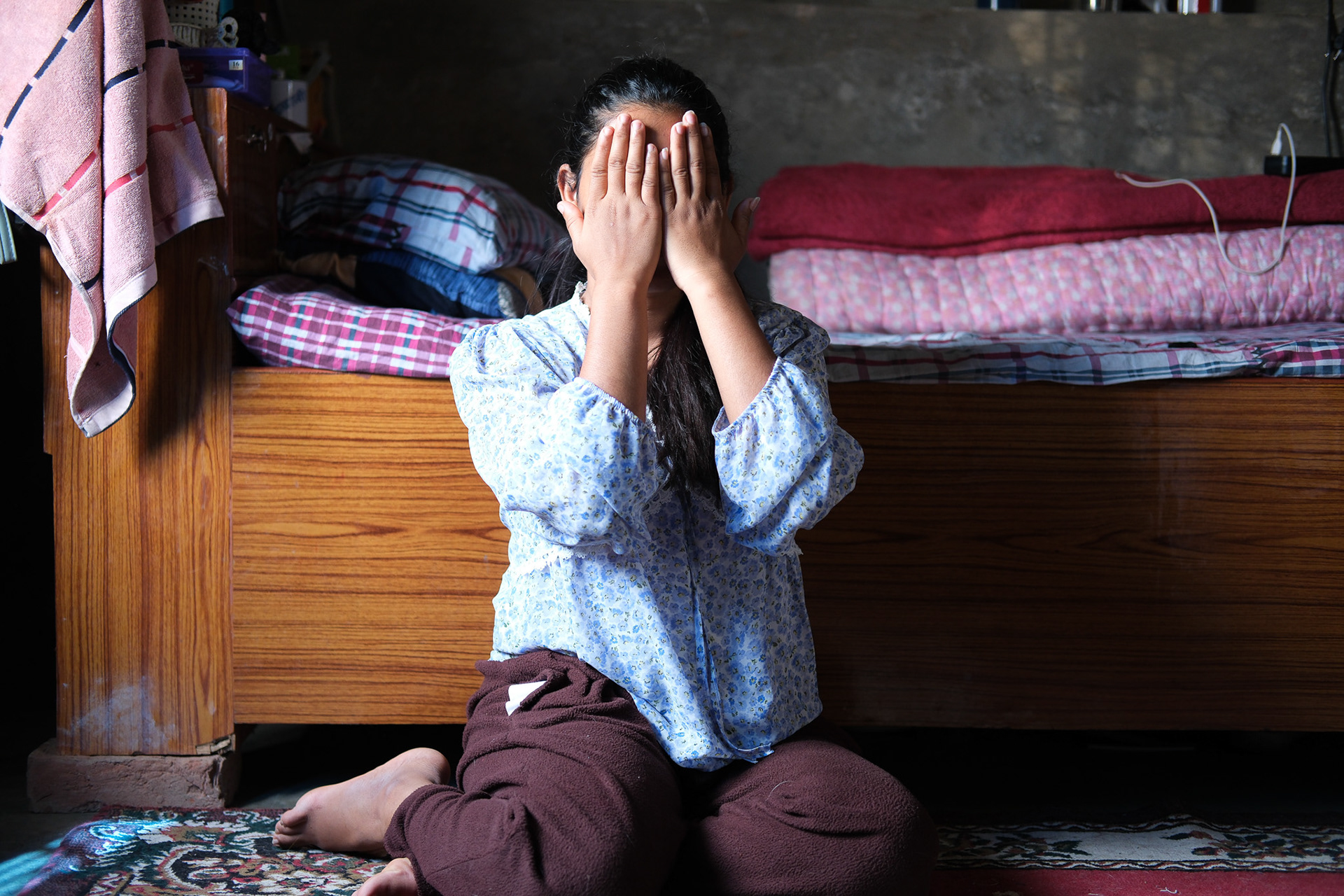
At 13, Bali was married to a man, an electrician six years older than her. She was pregnant with her only daughter one year later.
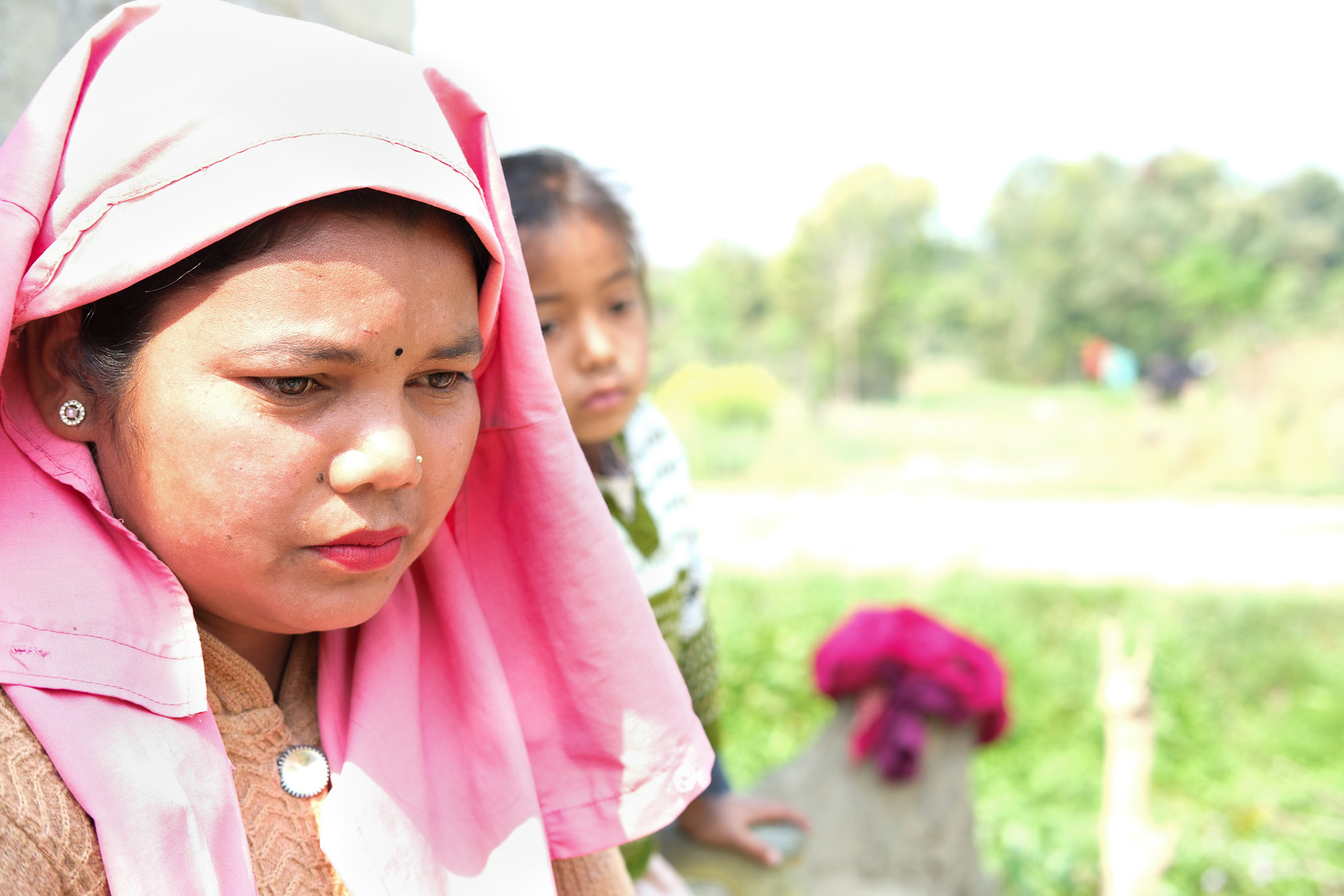
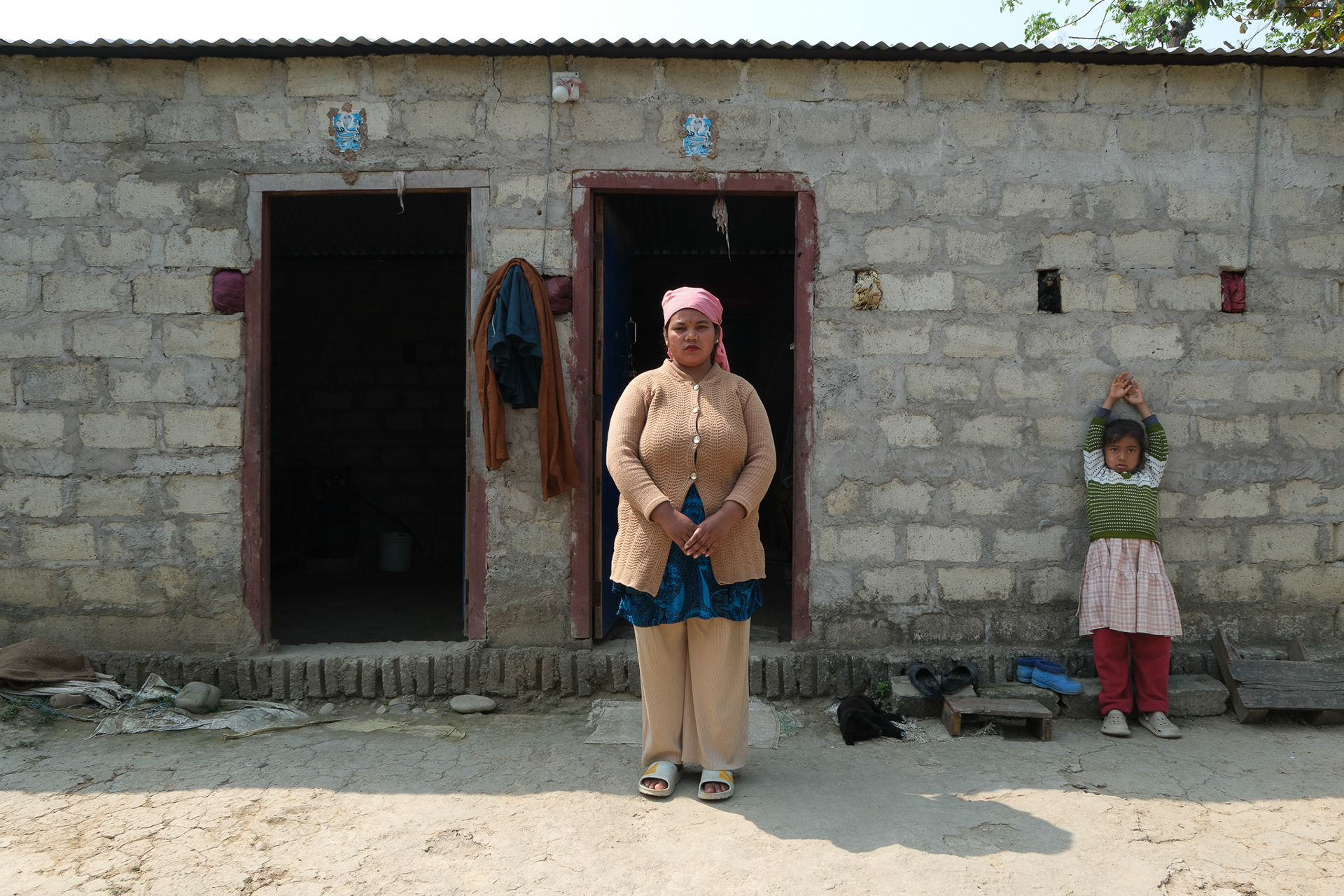
Outside her one-room home in Bardiya, Bali, now 32, told Al Jazeera that her biggest wish was for her 17-year-old daughter to stay in school.
“I cannot watch her get trapped in an early marriage like I did,” she said.
Bali’s daughter is among millions of adolescent girls in Nepal who women’s rights activists fear could be at an increased risk of harm if a new law being discussed by the government to reduce the legal marriage age from 20 to 18 is passed.
... read the full article here: Al Jazeera