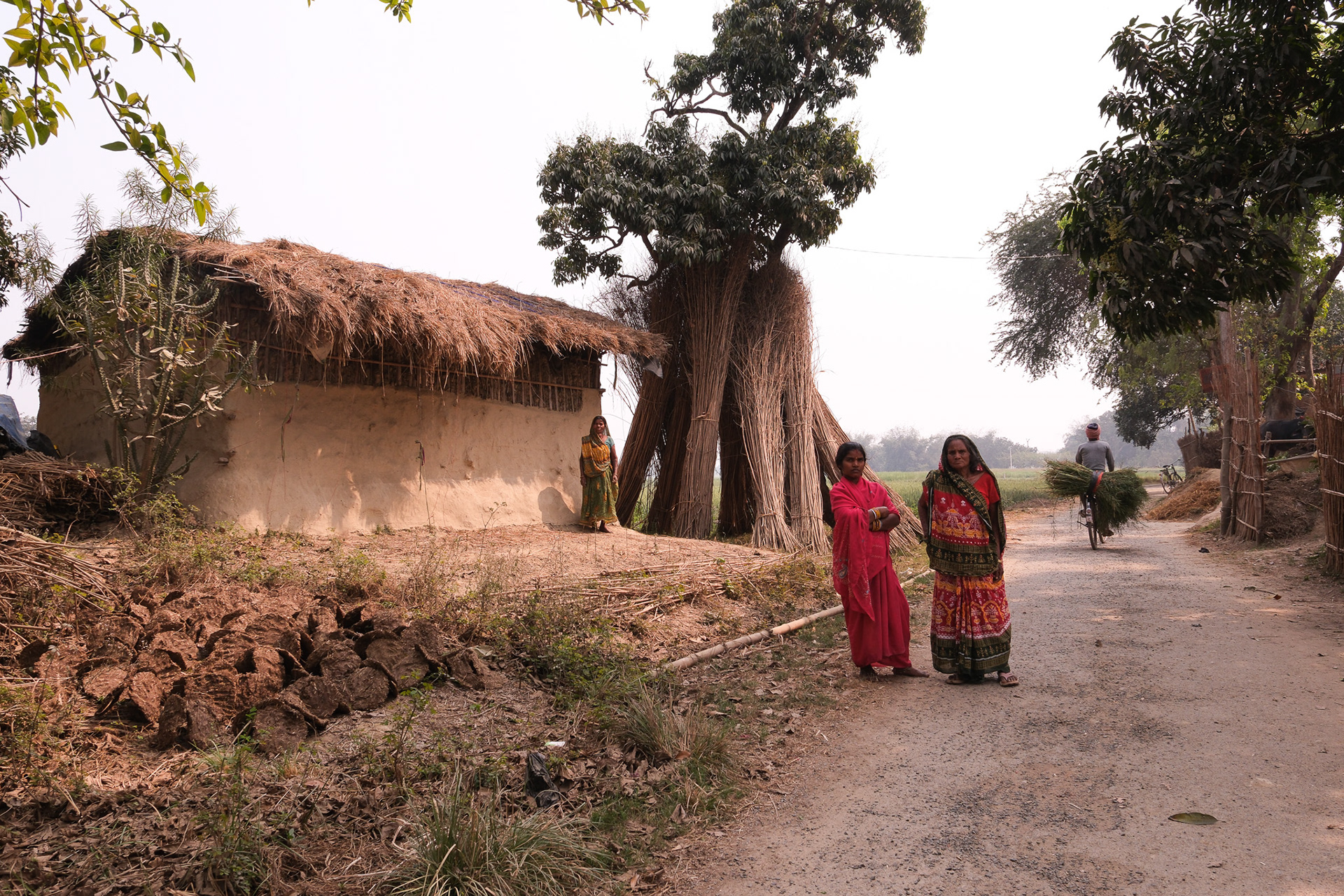
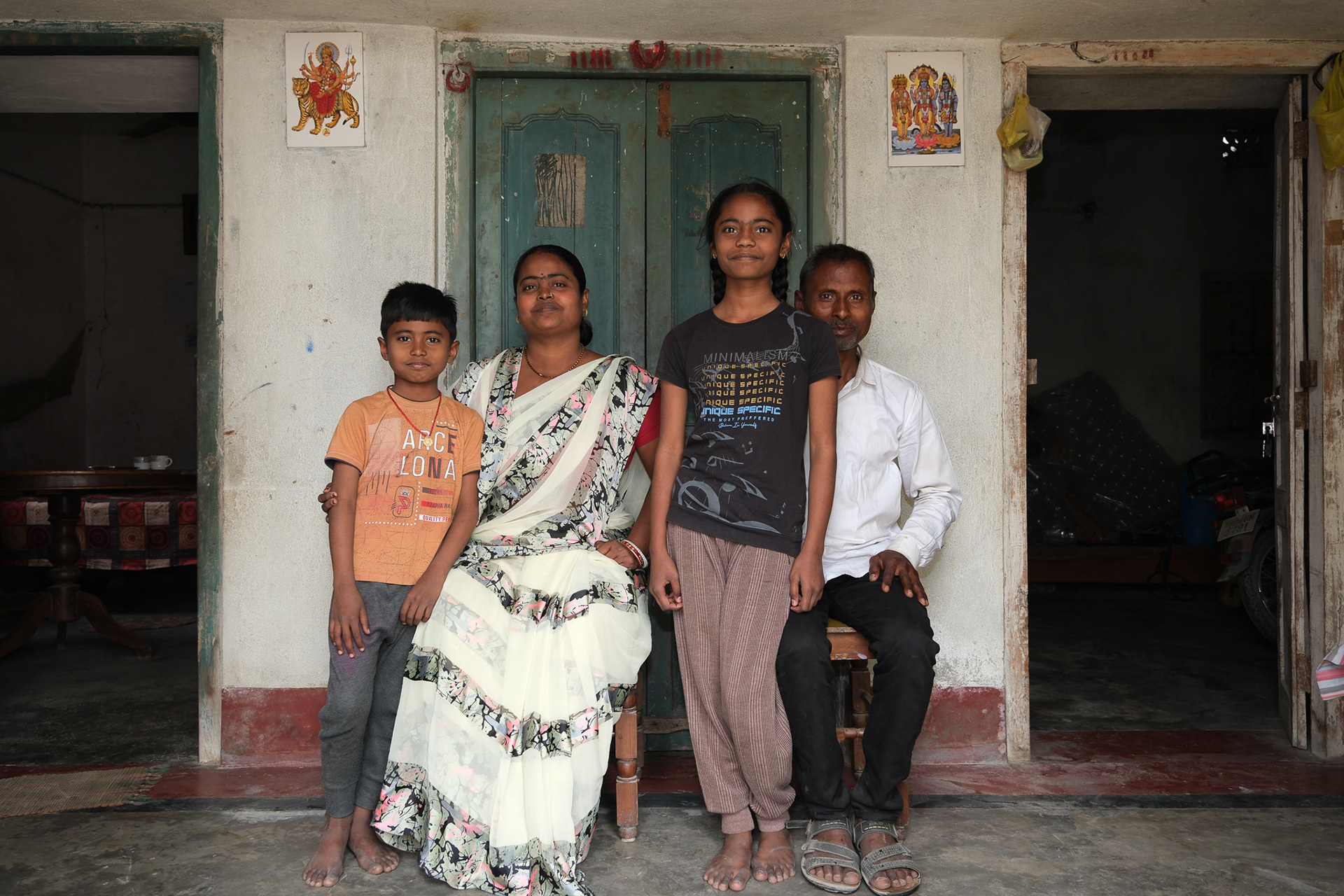
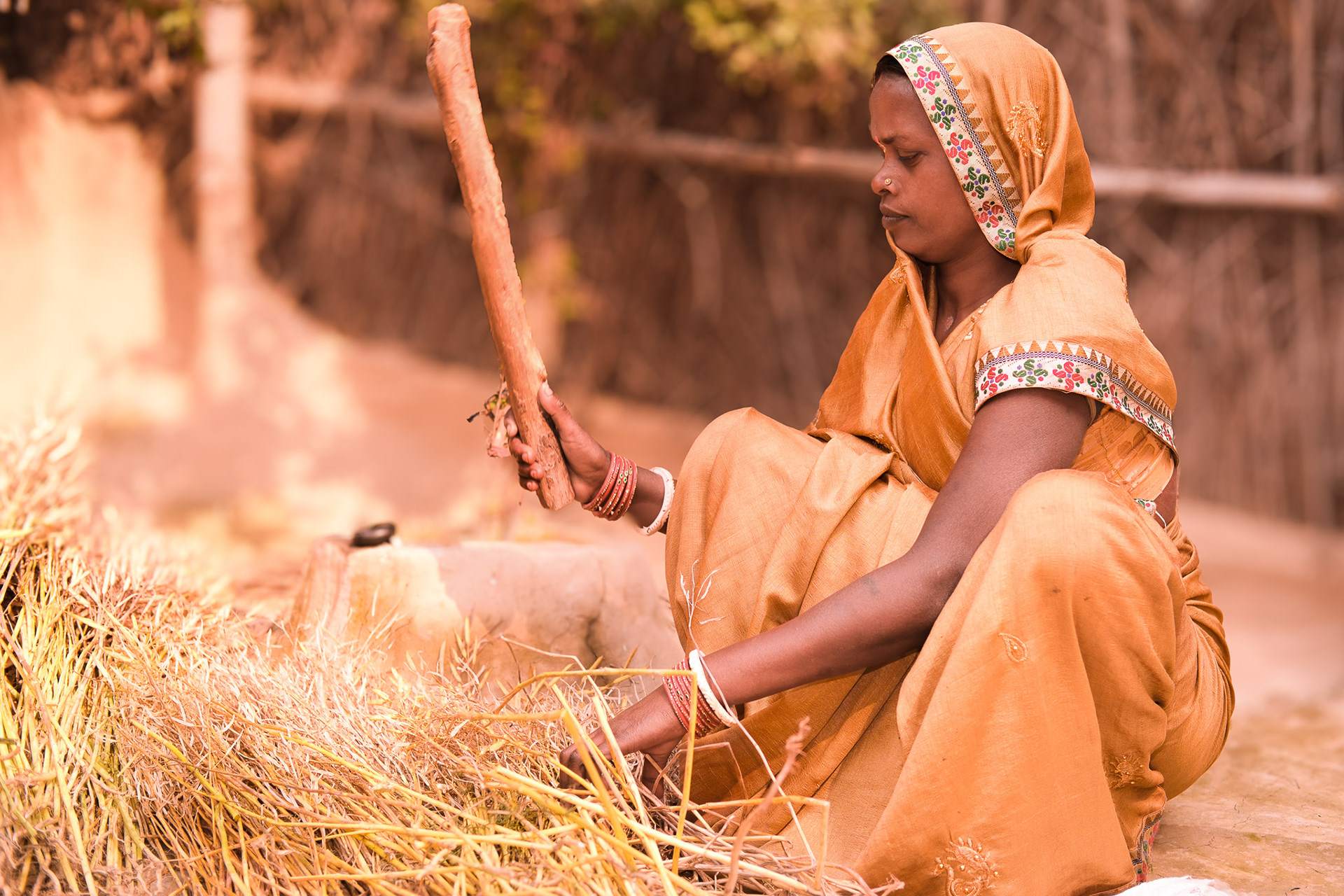
“I was always just my husband’s wife. My father’s daughter. The mother of my son.” Gunja Das cleared her throat. The air is thick and filled with dust in Muzaffarpur, a district in the Indian state of Bihar. It is one of India’s most disadvantaged states, where 80 percent of the population work in farming and agriculture.
“I was a traditional housewife here, and I never left my home,” continued Das as her young children listened intently through a crack in her front door. “My dream was to be able to send those two to a good middle school, where they could learn English.”
Recent financial constraints, worsened by the COVID-19 pandemic, made her dream difficult to imagine. At the same time, extreme heat and unpredictable monsoon seasons were becoming more prevalent year on year, endangering Muzaffarpur’s agricultural economy and the fragile livelihoods of millions of India’s most vulnerable people.
But Gunja Das received a lifeline.
In 2022, she was invited to join a “Self-Help Group” for women in her community. She recalled not knowing what it was and was wary of the invitation. Her husband, she said, was the one to encourage her to leave the home and attend the meeting.
The Self-Help Group she was invited to was one of several hundred small, women-only community groups that have been created in Muzaffarpur by Heifer International, a non-profit organization working on the ground in Bihar to support the livelihoods of over 70,000 rural families.
... read the full article here: The Diplomat
-
Stronger Together: Women in Agriculture in Rural India Unite Against Climate Change Threats
... read the full article here: Earth.org